
Key takeaways
- Define the stored items and users.
- Compare access, visibility and shelf layout.
- Do not infer controlled-storage capability from a product name.
Define the storage task
Record whether the cabinet will hold medicines, packaged supplies, laboratory reagents, samples or instruments. Include container sizes, inventory levels and who needs access.
Compare access and internal layout
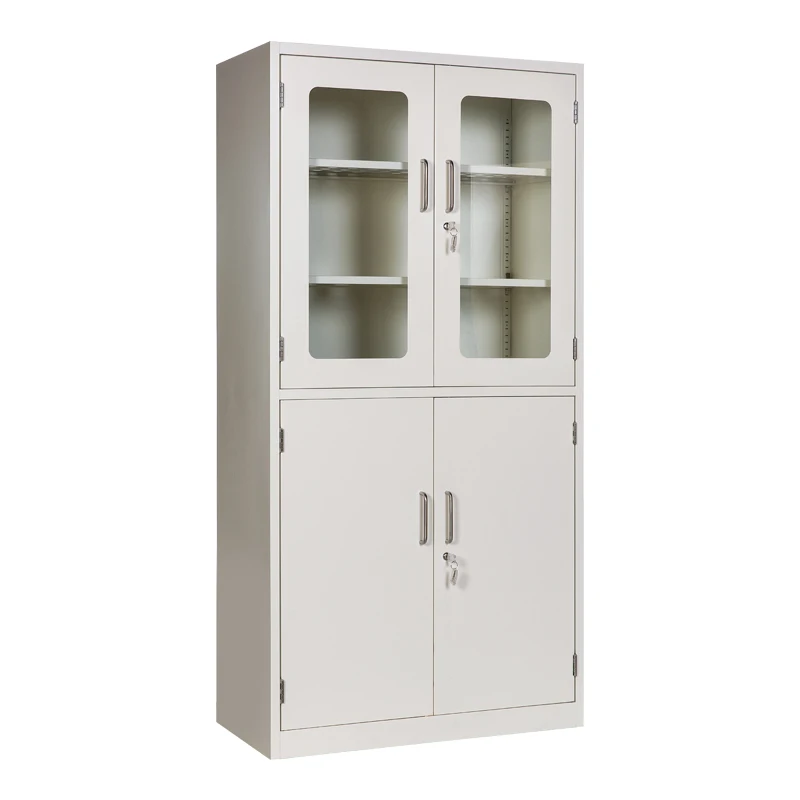
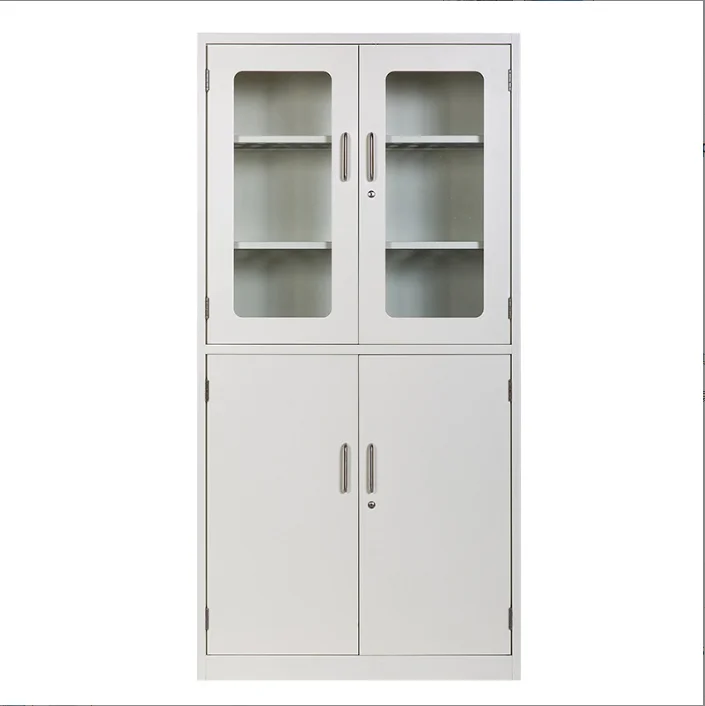
Review solid or glazed doors, lock type, shelf adjustment, tray requirements and cleaning access. These details influence daily use more directly than the family name.
- Door and visibility
- Lock and access process
- Shelf spacing and load
- Cleaning and spill handling
- Room fit
- 01Define the stored items and users.
- 02Compare access, visibility and shelf layout.
- 03Do not infer controlled-storage capability from a product name.
Keep special storage claims separate
A medicine or reagent cabinet name does not establish temperature control, security classification or suitability for a regulated substance. Request evidence for any special requirement and confirm it for the exact model.
Information to include in the enquiry
| Field | Example detail |
|---|---|
| Stored items | Medicine, reagent, sample or supply type |
| Containers | Bottle, box, tray and dimensions |
| Access | Lock, visibility and user group |
| Documents | Specification, drawing or project file |
Separate furniture features from controlled-storage requirements
A glazed door, lock and adjustable shelves describe furniture functions. They do not prove pharmaceutical security, controlled-substance compliance, cold storage, humidity control or validated environmental performance. Name any such requirement separately and ask for model-level evidence.
| Need | Cabinet feature to review | Separate evidence |
|---|---|---|
| Inventory visibility | Glazed or solid door | None unless project specifies |
| Routine access control | Lock type and key management | Facility access procedure |
| Temperature-controlled storage | Not established by cabinet name | Validated temperature system |
| Regulated substances | Physical lock alone is insufficient | Applicable regulatory/security approval |
Build the request around the stored item
Browse medicine and reagent storage cabinets after documenting packages, users and room. The laboratory safety storage applications help connect the cabinet to the facility context.
Send a product specification request for the exact model, and include the chemical storage cabinet inspection checklist in the operating handover when chemicals or reagents are involved.
Design around the operating model
A medicine cabinet in a clinic, a reagent cabinet in an analytical laboratory and a general supply cabinet can share a similar steel enclosure while requiring different controls. Identify who receives stock, who can open the cabinet, how items are counted, whether containers are returned after use, and how expired or damaged material is isolated. These workflow facts determine the useful door, lock, shelf and labeling configuration.
For reagents, add the chemical review. A transparent door improves visibility but does not resolve incompatibility, light sensitivity or access control. Adjustable shelves improve flexibility but still require verified loads and suitable trays. If refrigeration, controlled temperature, humidity monitoring or regulated-drug security is required, remove that requirement from the ordinary cabinet comparison and procure an appropriate validated system.
- Describe users and access times.
- List package and container dimensions.
- State visibility, lock and cleaning requirements.
- Identify regulated or environmentally controlled items separately.
- Request only documents relevant to the actual use case.
Write a specification that prevents category confusion
Begin the specification with the stored-item schedule and intended users, not the phrase medicine cabinet. State whether the contents are packaged medicines, general consumables, laboratory reagents, retained samples or instruments. Add the largest package, total shelf load, required visibility, lock procedure, cleaning method and room constraints. This gives suppliers a common scope and exposes requirements that an ordinary cabinet cannot satisfy.
List exclusions explicitly. If refrigeration, validated temperature mapping, humidity control, controlled-substance security, fire-rated storage or chemical compatibility approval is required, request it as a separate verified capability. Do not let a glazed door, lock or hospital-style appearance imply those functions. Each special requirement needs an appropriate system and evidence.
During bid review, compare usable dimensions and shelf arrangement rather than external size alone. Confirm whether locks are keyed alike or differently, whether replacement keys and shelves are available, and which components are included. Attach the approved configuration to receiving inspection so the delivered cabinet can be checked against the order.
References
- 29 CFR 1910.1200 — Hazard CommunicationU.S. Occupational Safety and Health Administration
- NIOSH Pocket Guide to Chemical HazardsCDC / NIOSH
Sources support the cited regulatory and safety context. They do not certify a Safatrix product or replace model documentation and project review.